Regulatory Audits Reshaping Variant Availability and Tiered Reward Eligibility Across Major Roulette Software Ecosystems
Written by Mia Keller · Sep 12, 2026
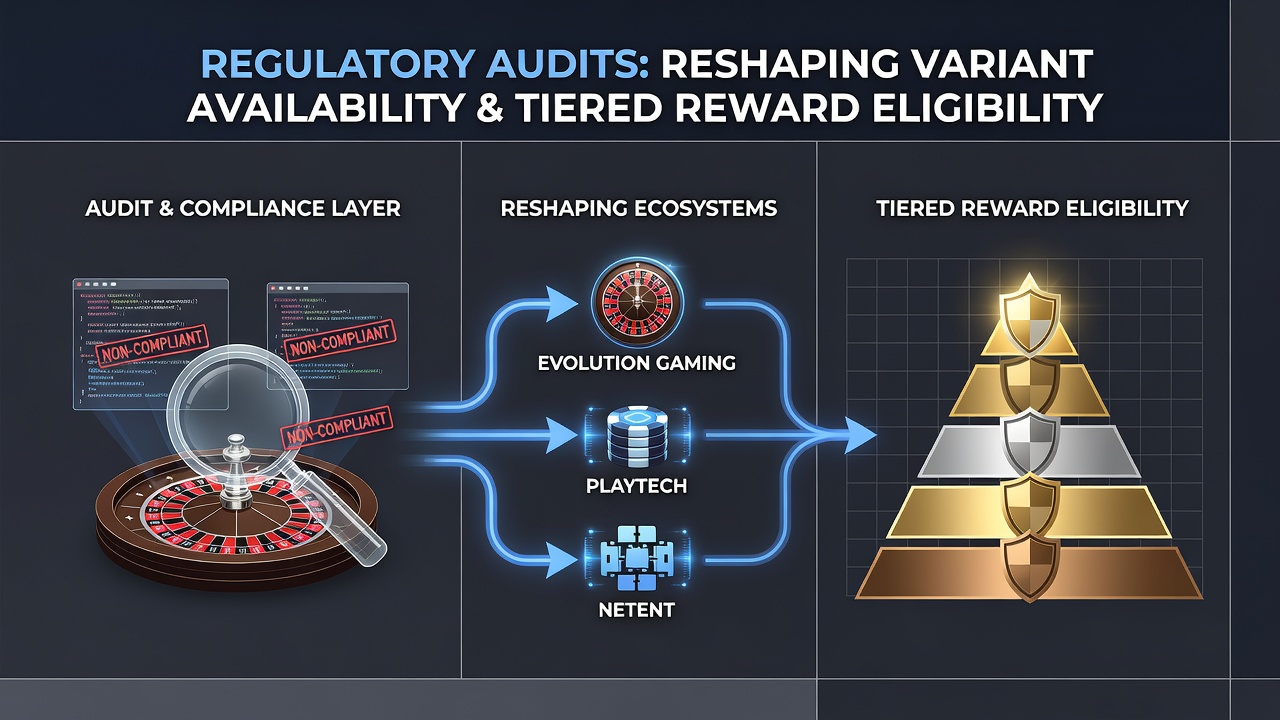
Regulatory Audits Reshaping Variant Availability and Tiered Reward Eligibility Across Major Roulette Software Ecosystems
Regulatory audits continue to influence how software providers structure roulette variants and assign eligibility for tiered reward programs, with changes documented across multiple jurisdictions since early 2025. Data from licensing bodies shows that audits now require detailed reporting on probability algorithms and player retention mechanisms before any variant receives certification. This process directly determines which game types remain accessible on licensed platforms and which reward tiers operators can promote to different player segments.
How Audit Protocols Alter Variant Certification
Software studios must submit complete mechanical specifications for each roulette variant during routine compliance reviews, and those specifications include random number generator outputs, wheel segment distributions, and payout structures. When auditors identify inconsistencies between submitted data and live performance metrics, platforms receive directives to restrict or remove the affected variants until corrections receive approval. Several major ecosystems reported removing multi-ball and rapid-fire roulette options in the first half of 2026 after such reviews, while single-zero European variants gained broader approval once probability documentation met updated standards.
Observers note that certification timelines have lengthened from an average of 14 days to 45 days in regions enforcing enhanced audit cycles. Providers respond by prioritizing variants that already align with common regulatory templates, which reduces the number of niche or experimental game types entering the market. Figures released by the Nevada Gaming Control Board in August 2026 indicate that 23 percent of roulette variant submissions failed initial review that year, compared with 9 percent in 2024, largely due to incomplete reward integration documentation.
Tiered Reward Eligibility Under Scrutiny
Audits increasingly examine how operators link gameplay data to loyalty tier progression and bonus allocation. Requirements now stipulate that reward eligibility criteria must appear in player-facing terms with the same transparency applied to game rules. This has led platforms to adjust tier thresholds and contribution rates for roulette variants, particularly those carrying higher house edges or faster spin cycles. One documented outcome involves reduced point accrual rates for certain live dealer variants after auditors flagged discrepancies between advertised and actual player return percentages.
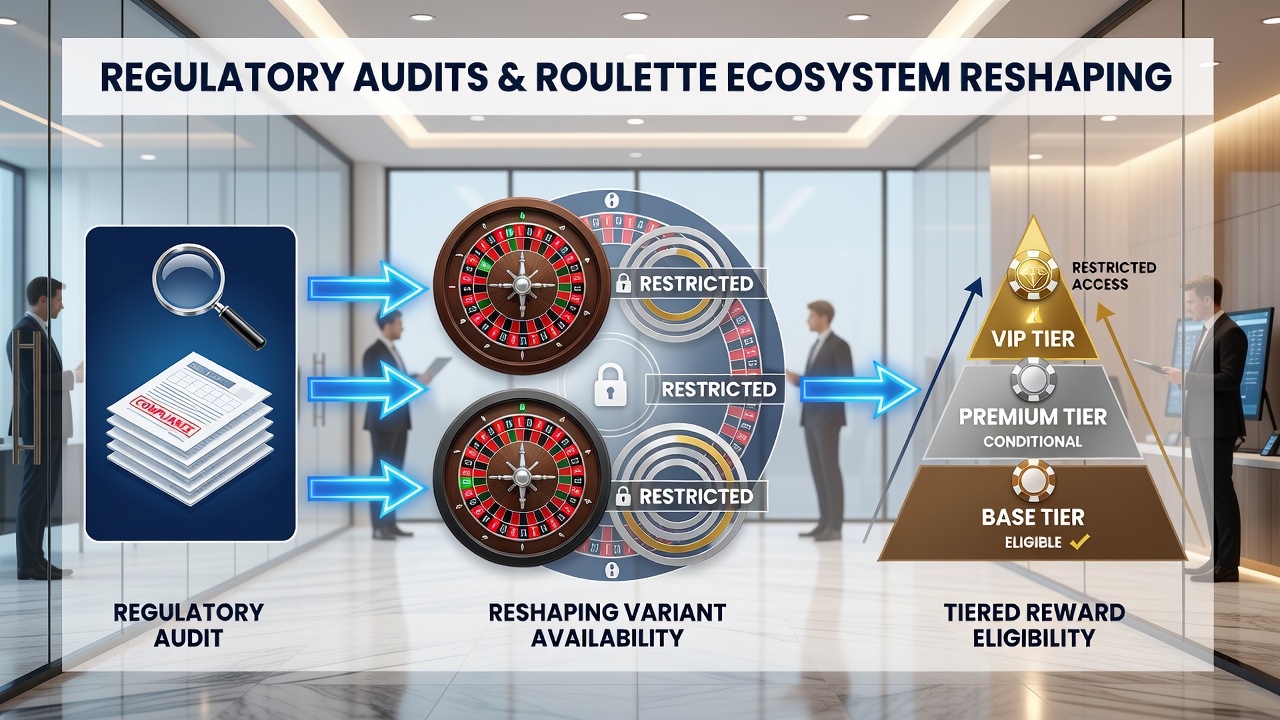
Research from the University of Nevada's gaming research division shows that audited platforms adjusted reward eligibility windows in 62 percent of reviewed cases during the 2025-2026 period. Adjustments most commonly involved extending the qualifying period for higher tiers or limiting bonus conversion from specific variant types. These modifications appear in updated loyalty program documents published ahead of the September 2026 regulatory reporting deadline, which requires operators to demonstrate ongoing alignment between reward mechanics and certified game data.
Regional Differences in Implementation
Jurisdictions apply audit standards differently, creating variation in which variants and rewards remain available. The Malta Gaming Authority and the Australian Communications and Media Authority both updated their technical standards in 2025, yet each emphasizes distinct aspects of variant mechanics and reward tracking. Platforms operating across borders therefore maintain separate variant libraries and loyalty structures to satisfy each regulator's current requirements. Industry reports from the European Gaming and Betting Association indicate that cross-border operators now maintain at least three distinct roulette variant sets to accommodate these differences.
September 2026 marks the first full cycle where several jurisdictions require real-time audit data feeds rather than periodic submissions. This shift compels software ecosystems to embed compliance monitoring directly into variant management systems, allowing immediate flagging of any reward eligibility changes that deviate from certified parameters. Providers that completed system upgrades before the deadline report fewer disruptions, while those still transitioning face temporary restrictions on new variant launches and reward promotions.
Conclusion
Regulatory audits continue to drive measurable adjustments in both the roulette variants offered on major platforms and the structures governing tiered reward eligibility. Documentation from licensing authorities and research institutions confirms that certification processes, reporting requirements, and real-time monitoring standards have produced concrete changes in variant availability and loyalty program design. These developments remain ongoing as operators prepare for additional reporting cycles scheduled through late 2026 and beyond.